

When the Numbers Are Keeping You Up At Night
The Silent Cost of Fiscal Year Stress
As the new fiscal year begins, leaders are expected to drive performance, optimise resources, and maintain profitability; all while ensuring their teams stay engaged and motivated. The pressure is real, but what often goes unnoticed is the emotional toll of carrying these responsibilities alone.
A Harvard Business Review study found that half of CEOs feel lonely in their roles, with 61% believing it negatively affects their performance. Leadership isolation amplifies stress, making it harder to seek support, gain perspective, or even recognise when stress is taking over.
The problem isn’t just the workload. It’s the constant demand to perform at peak capacity, without pause, without reflection.
One of the most dangerous aspects of stress is that leaders often don’t realise they are experiencing it until it starts affecting their decisions, relationships, and well-being.
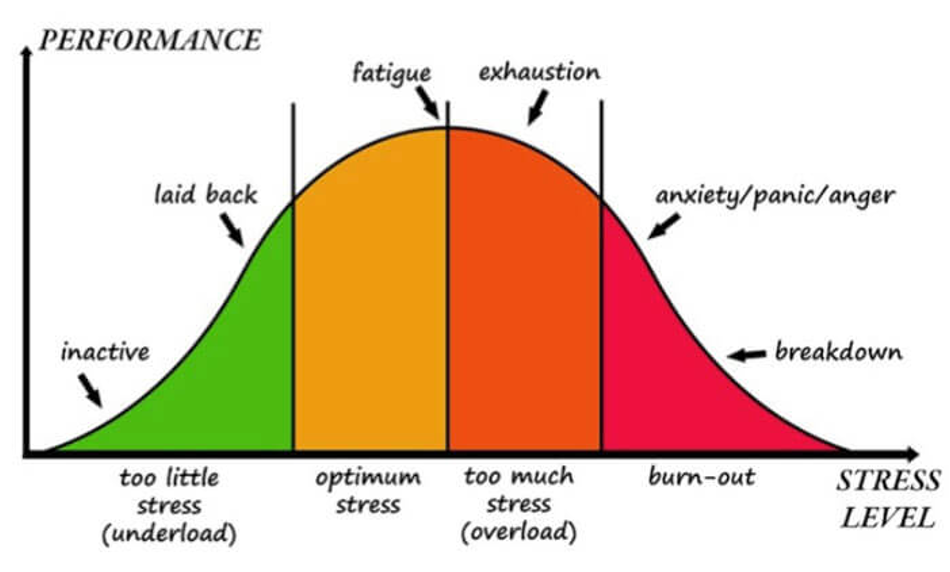
Not all stress is bad, but how do you know when it crosses the line?
When Leaders Confuse ‘Stress’ with ‘Busyness’
During a recent coaching session, I worked with a senior leader in the retail industry who was struggling with motivation. He wasn’t skipping deadlines, missing targets, or showing visible signs of distress.
But something was off.
He had stopped going for his morning walks, something he had always prioritised. He found himself working late but feeling less productive. He was always exhausted, even when his workload wasn’t heavier than usual.
At first, he dismissed it as being busy. But through our conversation, a pattern emerged.
His constant ‘Yes’ to more meetings, tighter deadlines, and increased responsibility had led to an unconscious ‘No’ to rest, exercise, and mental space. He was in denial about stress because he wasn’t overwhelmed visibly, but his body, mind, and energy were telling a different story.
This is where most leaders find themselves—not in crisis mode, but in a slow decline of motivation, focus, and well-being.
Stress doesn’t always show up as frustration or anxiety. Sometimes, it looks like disengagement, exhaustion, or simply not feeling like yourself.
The Real Impact of Leadership Stress
When stress takes over, the impacts are felt throughout the organisation –
- Decision-making suffers: Stress makes leaders reactive, narrowing their ability to think strategically.
- Team morale drops: When leaders are stressed, teams feel it, leading to reduced motivation and productivity.
- Innovation stalls: High-pressure environments limit creative thinking, encouraging safer, less ambitious choices.
- Customer connections weaken: Overwhelmed leaders struggle to engage meaningfully, potentially losing customer trust.
- Financial decisions suffer: Leaders often make short-term choices that may hurt long-term goals.
Reframing Stress as an Opportunity for Leadership Growth
Stress itself isn’t the enemy; it’s how you respond to it that truly matters. Here’s how you can manage fiscal year stress in healthier ways:
1. Prioritise Your Mental and Physical Well-being
Commit to activities like mindfulness, physical exercise, and structured downtime to restore your mental energy.
2. Rethink Your ‘Yes’
Before committing to anything, ask: “What am I implicitly rejecting by saying yes to this?” Protect your personal time as fiercely as you protect your business goals.
3. Practice Adaptive Planning
Stay flexible in your strategic planning. It’s okay for targets and plans to shift, but constant stress due to inflexible goals isn’t.
4. Reevaluate Workload and Delegation
Many leaders take on too much. Trusting your team and delegating effectively reduces pressure and fosters team development.
5. Invest in Emotional Intelligence (EQ)
A strong EQ helps leaders regulate emotions, handle pressure, and foster resilient teams that thrive under uncertainty.
How Executive Coaching Helps You Navigate Stress
As a leader, you might feel that you must shoulder all this stress alone. Executive coaching provides structured support, enabling leaders to:
- Identify and Understand Stress Triggers: Recognise stress before it escalates into burnout.
- Enhance Decision-Making Under Pressure: Develop emotional resilience to maintain clarity even during stressful times.
- Create Emotional Balance: Balance workload and personal well-being without sacrificing professional responsibilities.
- Build Mindful Leadership Practices: Encourage an organisational culture where stress is openly addressed rather than ignored.
At Convolve, executive coaching isn’t about quick fixes. It’s about creating sustained change through reflective conversations. We support leaders in addressing the emotional dimensions of fiscal year stress, empowering them to lead effectively without sacrificing personal well-being.
Take the First Step
Leadership doesn’t have to be lonely, and stress doesn’t have to hold you back. By acknowledging your stress, you start a powerful journey towards clearer thinking, stronger decisions, and healthier leadership.
If you’re ready to begin that journey, let’s have a conversation!
Related Posts

Entrepreneurs Need More Than A Business Plan In Today’s Time
Success stories of entrepreneurs are often celebrated with admiration, highlighting their resilience, innovation, and achievements. However, beneath the surface of these victories lie silent struggles that often go unnoticed. The journey of entrepreneurship is not just about building businesses; it is also about navigating intense mental and emotional challenge

Are You Setting Goals Or Lighting A Fuse?
April 1st. The start of a new financial year. Somewhere between budgeting spreadsheets and performance decks, there’s a silent, creeping pressure in the room to set goals that sound bold, impressive, and ambitious. The kind that would look good in a town hall or on a LinkedIn post. But behind closed doors, many leaders and […]

Why Confidence Isn’t Enough For Leaders Today
When Sheryl Sandberg joined Google in 2001, she was surrounded by some of the world’s brightest engineers and executives. Despite her experience and achievements, she questioned whether she truly belonged. Years later, in her book Lean In, she admitted that even as she helped revolutionize online advertising, self-doubt lingered. Sandberg’s experience is no

When a New Start Doesn’t Feel That New
One of the oddest things about anxiety is that it doesn’t always announce itself. Instead, it tends to sneak in through the back door, manifesting in ways you might not expect: procrastination, disinterest, or even irritability that feels completely out of character. You might meet deadlines and appear fully engaged at work, yet feel oddly […]
Leave a Reply